

.svg)

The Japanese Art of Seeing
_-_left_hand_screen.jpeg)
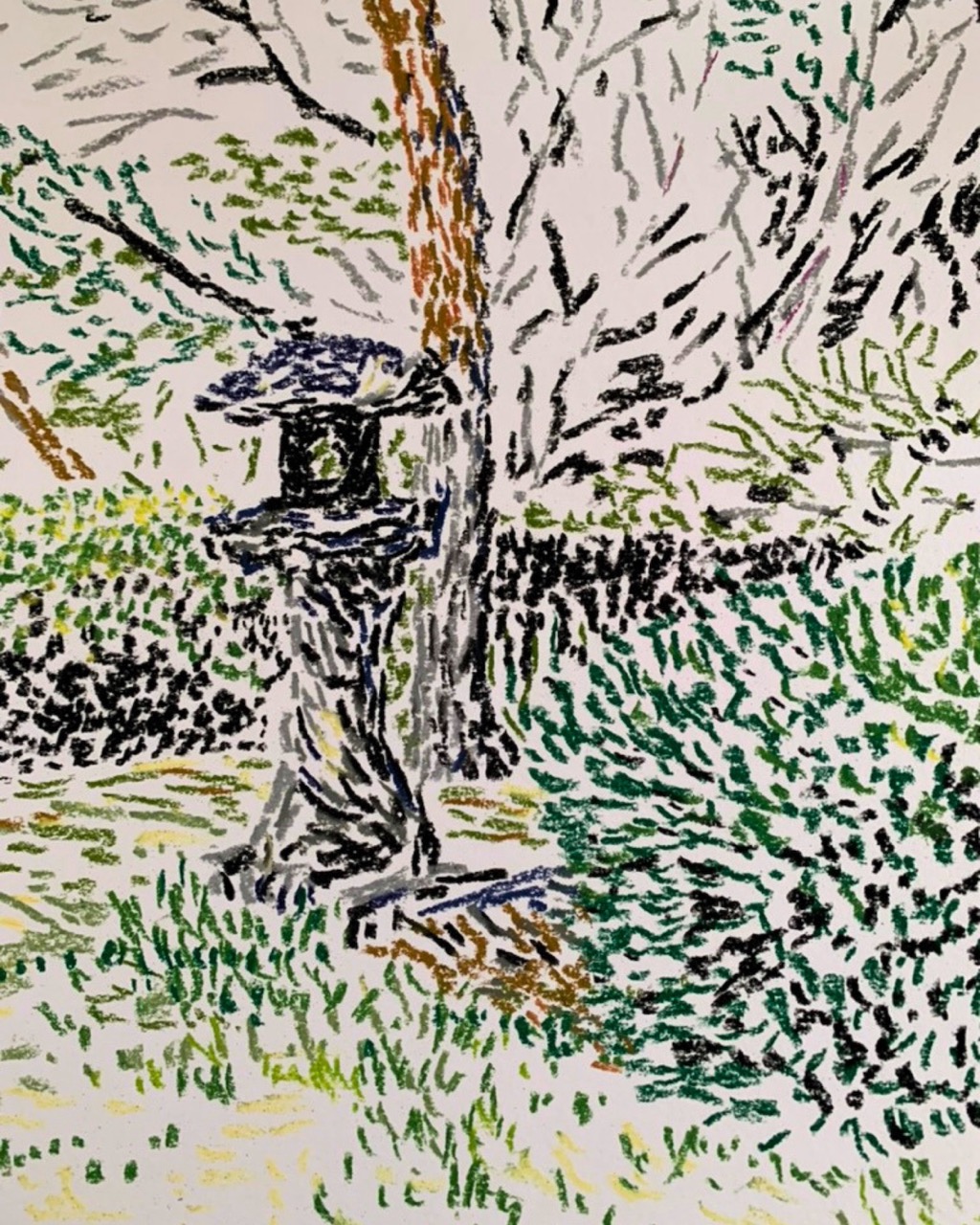
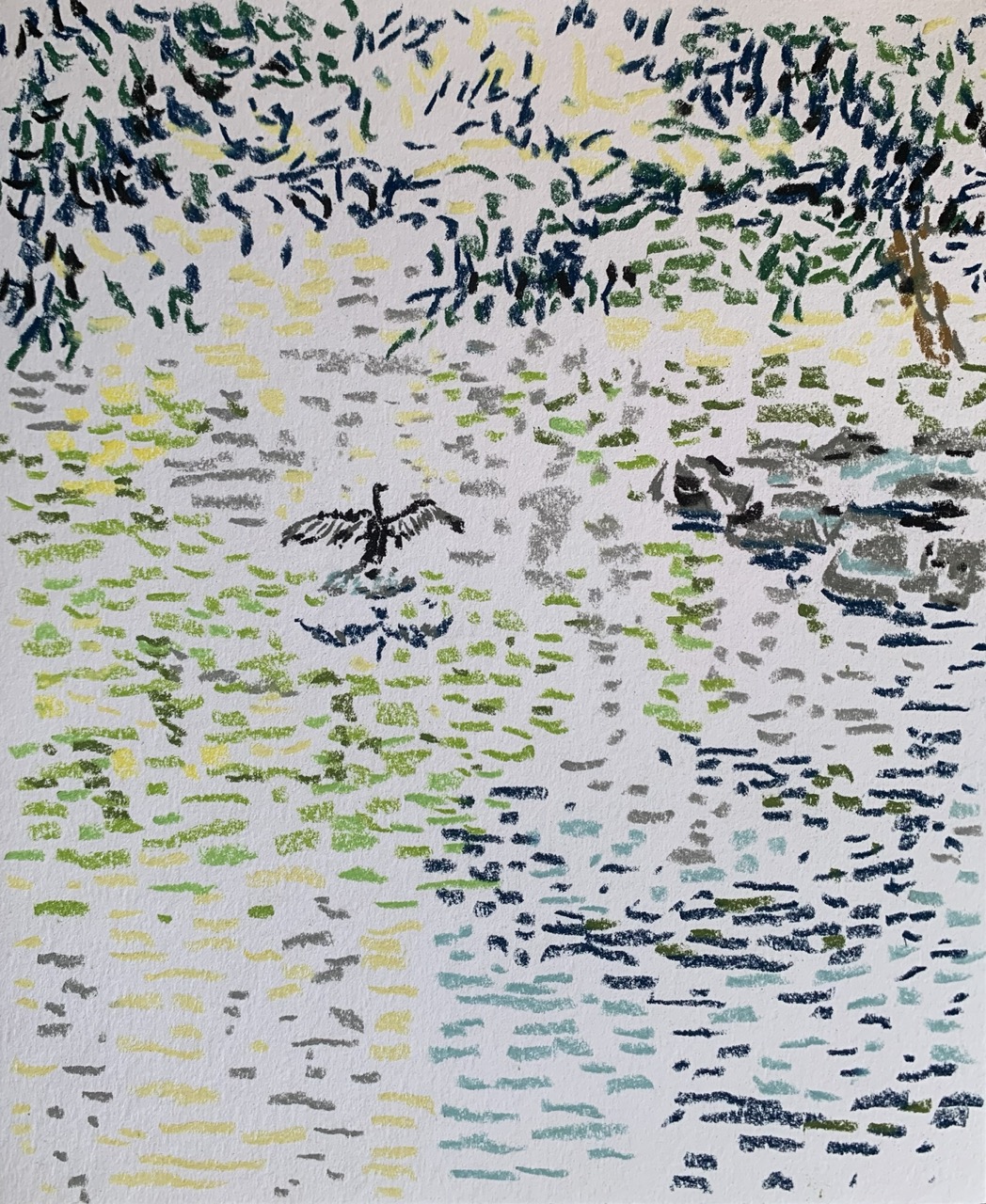
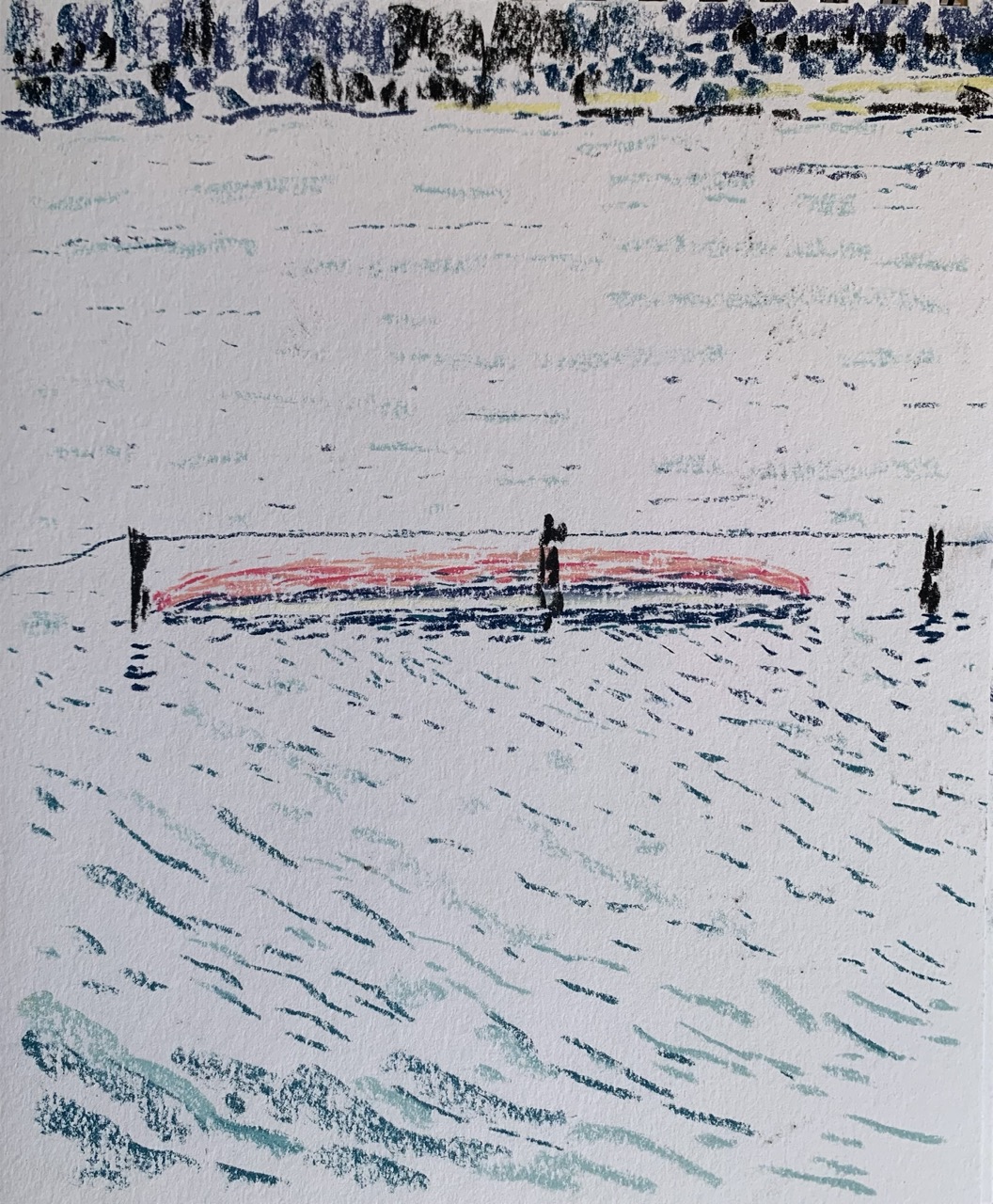
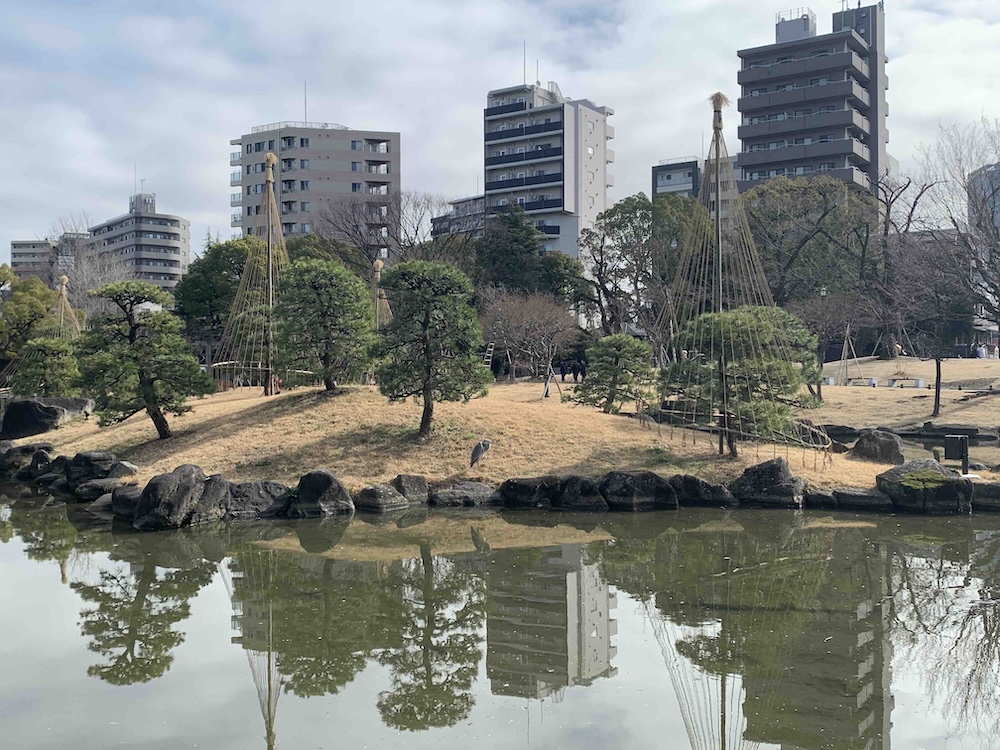
When I paint or draw, taking the time to look at my subject is really important. Sometimes I’m tempted to rush onto my canvas or paper as soon as I’ve found my subject, but slowing down, observing, and asking myself certain questions about how I want to approach it deepens the experience and can only make the result better. This, perhaps, is the first step in the Japanese art of seeing.
Those Japanese people who know how to stop and take in the view
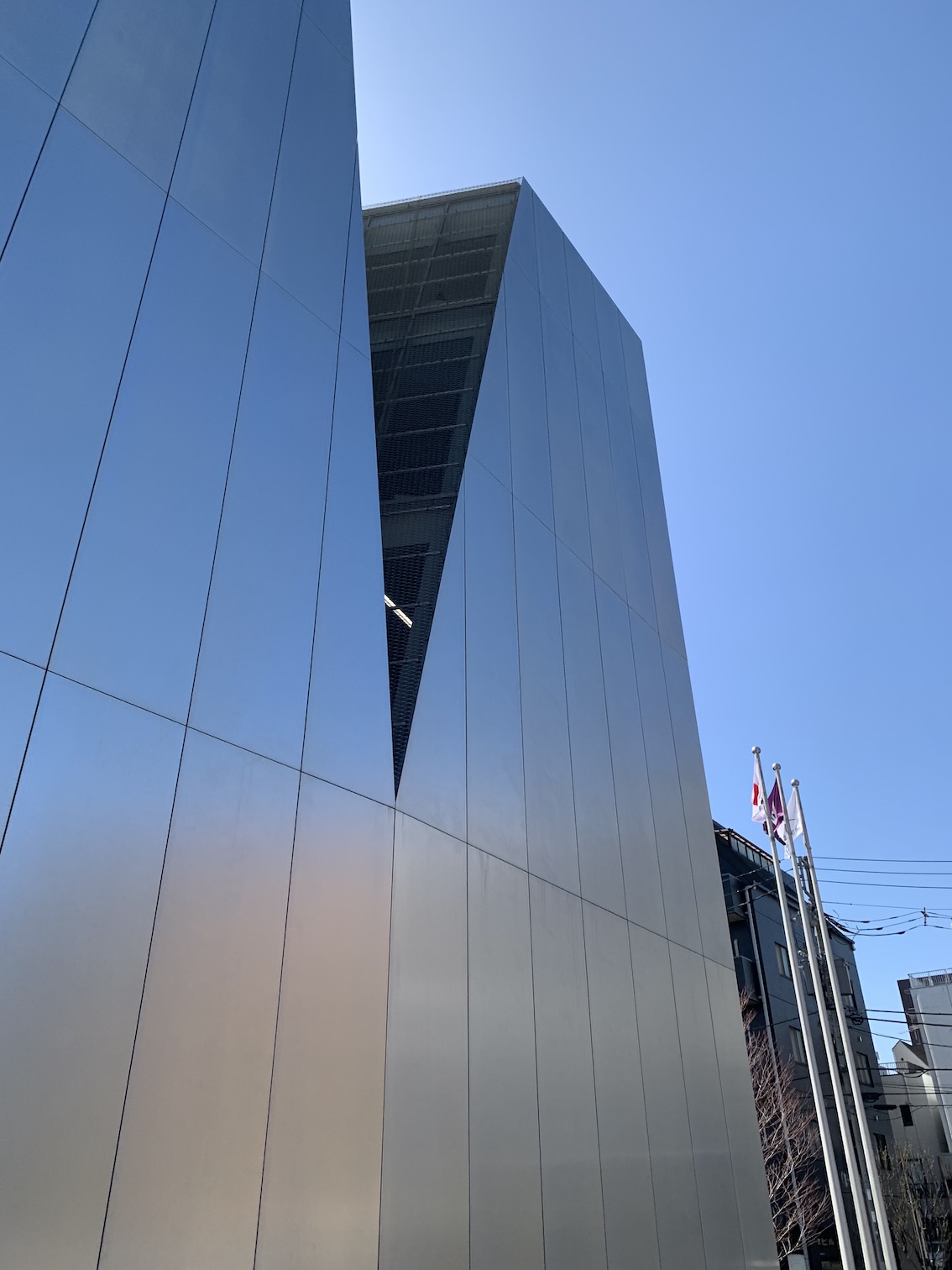
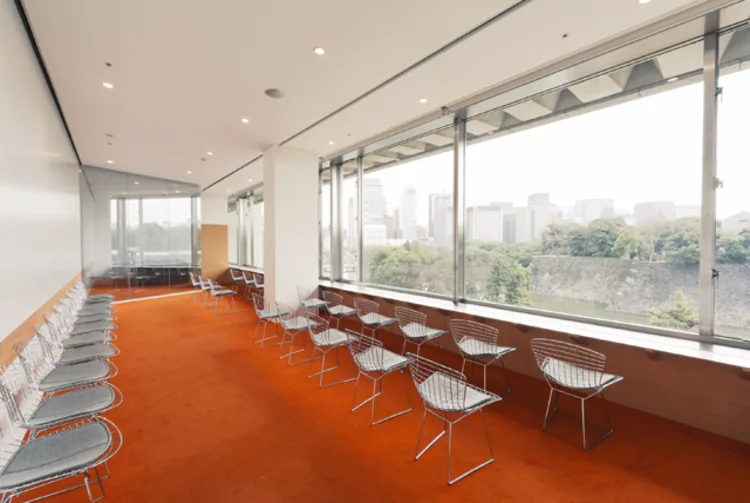
I’ve often noticed that many Japanese people know how to pause to observe, contemplate, and marvel, and that delights me. When I visited the Tokyo Museum of Modern Art, an entire room was dedicated to contemplating the view of Kitanomaru Park across the way. Taking a break to rest one’s eyes after exploring the museum’s works, and then resuming the tour with renewed energy—I had never seen anything like it in any other museum in the world.
When I was at an exhibition at the Nezu Museum, I was also surprised to see several visitors using binoculars to examine the details behind the display cases, pausing for a long time in front of the exhibits to admire them more closely. At Ueno Park in Tokyo, where I often went for walks, when new flowers bloom in the park—marking the changing seasons—many passersby stop to take photos of the blooms, marveling at them. And this isn’t just during sakura, the cherry blossom season—it happens all year round, whether it’s hydrangea season, lotus season, or the blooming of other plants.
In Japanese homes, when the shoji—those large sliding doors adorned with washi paper—open onto the garden, the garden itself becomes an object of contemplation, as if the room were designed to incorporate the outdoors as part of its decor. Japanese interiors, so simple and uncluttered—composed mainly of white or cream-colored surfaces—are restful to the eye and, at the same time, leave plenty of room for contemplating the garden or the few objects that may adorn the room.
The humble beauty of simple things
The Japanese art of seeing often calls for humility, viewing the beauty of nature as the ultimate aesthetic, or seeing beauty in the simplicity of everyday objects—even with their imperfections. A bed of gravel edged with moss, a teacup and teapot resting on a shelf, a rough-hewn stone basin holding water from a fountain—there is no need here for ostentation, spectacle, or ornamentation; and when such elements are present, they are reserved for rare objects that allow us to take the time to admire every detail.
What is also striking is how neat and clean the surroundings are, but this has been deeply rooted for millennia in Japanese culture and the Shinto religion, which views dirt as a state of moral impurity, while cleaning purifies the soul and elevates the spirit. For example, the kanji “kirei” means beautiful, pretty, clean, and pure. As a result, the streets here are spotless; everything is cleaned regularly, which is a pleasure to the eye, as it is almost never marred by trash or unsightly areas.
While the grime isn’t off-putting, there’s also a sense of softness created by the light filtering through the shoji screens during the day, the subdued glow of washi paper lamps at night, and the often subdued atmospheres that the Japanese are masters of—though they also know how to create lively neighborhoods filled with multicolored neon lights and flashy, colorful atmospheres.
Ma (間), or the time of absorption
I appreciate the Japanese art of seeing because it involves a period of immersion—which, incidentally, echoes my book *Art as an Imprint*, in which I describe how the creative process involves this essential stage in which the artist immerses themselves in their subject, creating a sort of psychological imprint, before being able to recreate it as a physical imprint.
This echoes the Japanese concept of ma (間): that interval, that empty space, that pause in time between two elements—which is not an absence but an active presence, giving meaning, rhythm, and harmony to the whole. Its kanji, in fact, depicts the sun visible through a door—an image of openness and light. I get the impression that, in their art of observation, the Japanese know how to both contemplate what they see and listen to the inner resonance it evokes in them.
Komorebi, utsuroi, zanzō: Naming What Eludes Us
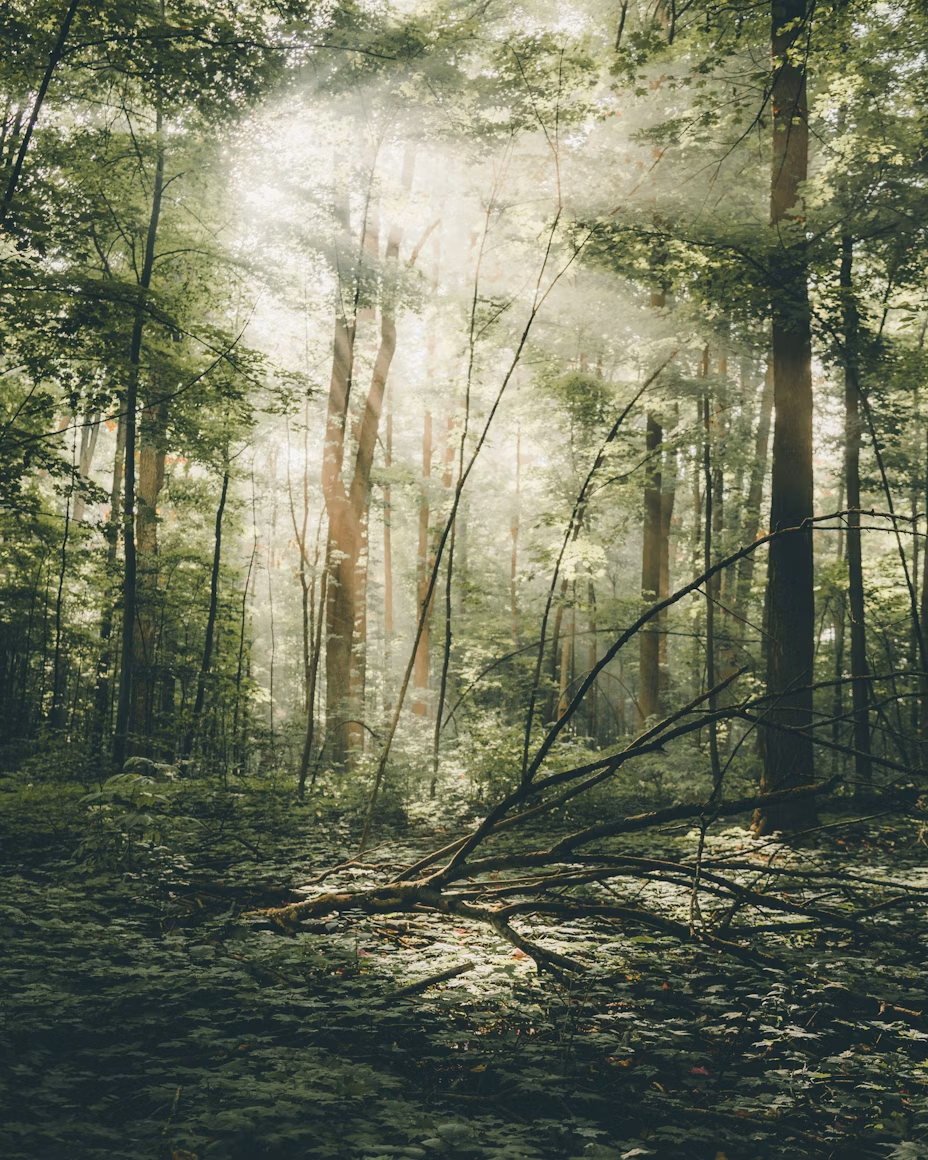
It is striking to note, in this regard, the number of words the Japanese have to describe phenomena, which highlights their capacity for attention and discernment, bringing into full existence things that would otherwise remain barely noticed. For example, they use the word “komorebi” (木漏れ日) to describe the rays of sunlight filtering through the leaves of trees, and they have divided the seasons into 72 “micro-seasons,” or “kō” (候), each lasting five days and each associated with a specific seasonal phenomenon.
They also use the term *Utsuroi* 移ろい to describe the gradual transformation of things: a color that fades, a season that shifts, a light that changes; or *Zanzō* 残像 for the image that lingers in the eye after the object has disappeared—in both the optical and poetic senses. Here again, we find that space left to emptiness or change, which marks the transition from presence to absence, from the object to its memory.
Yohaku (余白): the white space that allows forms to breathe
But the most important term for my current practice, inspired by Asia and Japan, is Yohaku 余白—that is, the space left blank or unoccupied within an image. In certain works, such as Hasegawa Tōhaku’s Shōrin-zu byōbu screens illustrated in this article—an extraordinary masterpiece depicting pine trees in the fog—this space plays a full and integral role in the representation. It is an active void—as François Cheng so aptly described in his analyses of Chinese art, from which Japanese art originated—that allows the filled space to exist and gives the forms room to breathe; although these forms are often incomplete, they are all the more vividly rendered in our minds, which reconstruct them as even more lifelike than if we were to see them in their entirety on the canvas.
All this vocabulary, which highlights the subtlety of the Japanese sensibility and its resonance with an inner contemplation that can find a spiritual echo, makes me feel close to them not only as an artist but also as a highly sensitive person. Here, it is not the work itself—fleeting and ephemeral—that seems important, but rather the art of seeing that it inspires: the inner imprint of a painting that we will likely never see again, yet carry within ourselves.